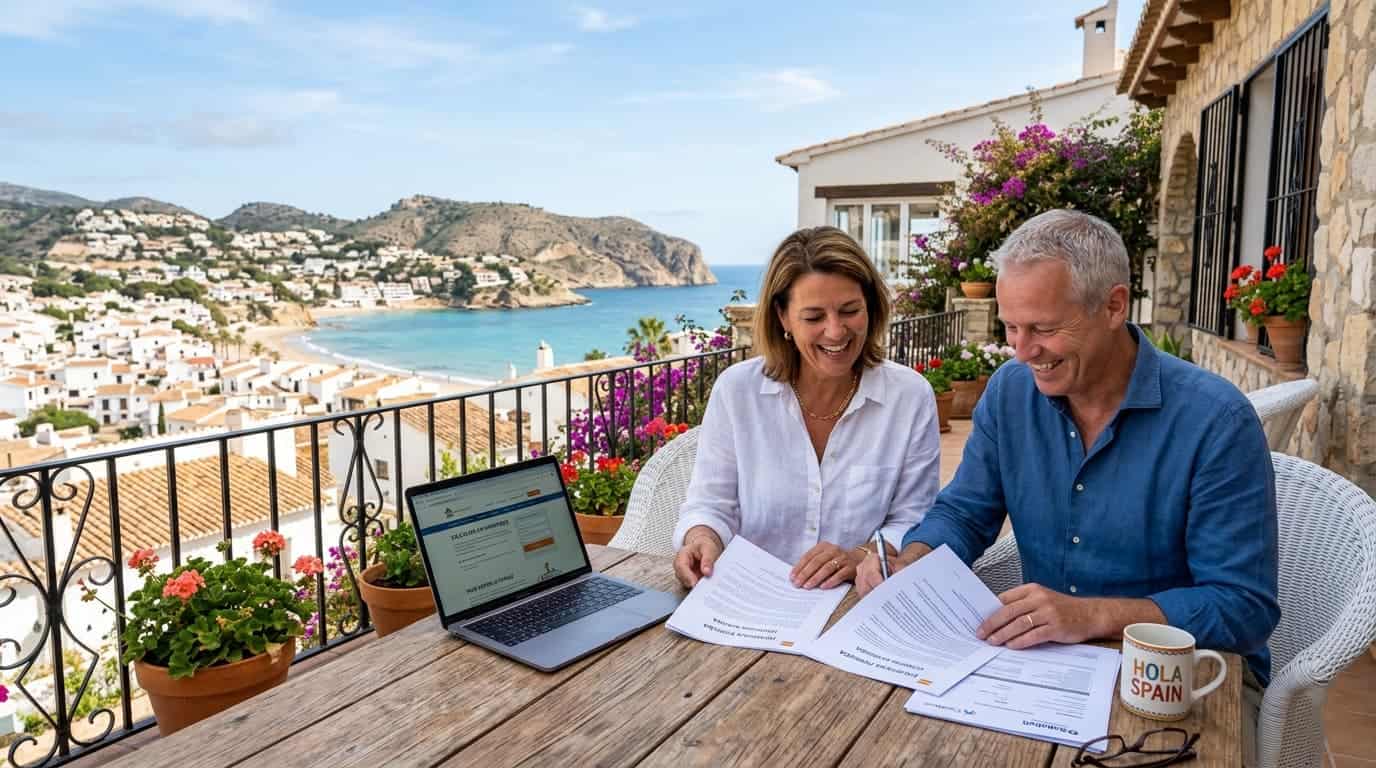
Mortgage in Spain for non-residents
Would you like to finance part of a home on the Costa Blanca? Here you can read how a Spanish mortgage works if you do not live in Spain, how much of your own money you need and how to prepare well.
Last updated: October 2026
A Spanish mortgage at a glance
- How much?
- As a non-resident, usually 60 to 70% of the valuation, or of the purchase price if that is lower. What you get depends on your situation.
- Own funds
- The part the bank does not finance, plus the buying costs.
- Repayment
- Usually a repayment mortgage: interest and capital together each month. With a fixed, variable or mixed rate.
- Costs
- You pay for the valuation. The bank pays the notary and registry costs and the tax on the mortgage deed.
- Timing
- Buying subject to finance is not customary in Spain. So have your options assessed in advance.
What does a Spanish bank look at?
Every application is assessed individually, and what you can borrow differs per situation. The bank looks at, among other things:
- Your net income, and whether you are employed or self-employed
- Whether you apply alone or together
- Existing loans and fixed costs
- Your savings and own funds
- Your age, in relation to the term
- The property itself: the valuation, the location and whether everything is legally in order
Banks use the valuation, or the purchase price if that is lower. If you pay more than the valuation, you need more of your own money.
How much of your own money do you need?
Enter the purchase price and choose how much the bank finances. If you also enter the interest rate your bank or adviser quotes, you will see an indication of your monthly payment.
| Mortgage | €420,000 |
|---|---|
| Your share of the purchase price | €180,000 |
| Buying costs, including valuation | €57,000 – €61,100 |
This is an indication. How much you can borrow and at what rate depends on your situation and the bank. The bank uses the valuation, or the purchase price if that is lower. The buying costs are calculated as on our buying costs page.
Interest, term and repayment
Spanish banks offer different options. Our mortgage partners help you choose what suits you.
- Fixed rate
- You know exactly what you pay each month, for the full term.
- Variable rate
- The rate follows a reference rate and is adjusted regularly. Your monthly payment can therefore go up or down.
- Mixed
- A fixed rate for a number of years, then variable (in Spain: mixto).
- Repayment mortgage
- Customary in Spain: each month you pay interest and capital together. As long as the rate stays the same, the amount stays the same.
- Term and age
- Each bank decides this itself. For non-residents the term is often 20 to 25 years, and the loan usually has to be repaid by around age 75; with some banks earlier. If you apply together, the bank often looks at the older applicant.
- Early repayment
- This is possible. The fees a bank may charge for it are capped by Spanish law.
Do you earn in a currency other than the euro? Then keep in mind that your monthly payment in your own currency may fluctuate.
Which documents do you need?
Exactly what the bank asks for differs per bank and per situation. It usually includes:
- Your passport or ID card and your NIE number
- Proof of income: payslips, or annual accounts if you are self-employed
- Your employment contract or proof of your business
- Your tax returns for recent years
- Bank statements for recent months
- An overview of existing loans and fixed costs
- Often a credit report from your own country
- Proof of your tax residence
Documents that are not in Spanish often need a sworn translation, sometimes with an apostille. Start on this in good time.
How a mortgage application works
- Get assessed firstSubmit your documents and have your options assessed before you reserve a property.
- Property and valuationOnce you have found a property, the bank has it valued.
- Binding offerThe bank makes a binding offer (FEIN) at least 10 days before signing. That gives you time to go through everything calmly.
- Explanation at the notaryNo later than the day before signing, the notary explains the terms to you free of charge.
- SigningAt the notary you sign the title deed and the mortgage deed, usually on the same day.
No buying subject to finance
Buying subject to finance is not really a thing in Spain, certainly not in a market with high demand. After the reservation, you sign the purchase contract (contrato de arras) after about 14 days, once all checks are done. You usually pay a 10% deposit, minus the reservation amount. If you withdraw after that, you will in principle lose that amount.
Who pays what with a mortgage?
Since the Spanish mortgage law of 2019, costs are clearly divided between the bank and the buyer.
- Valuation
- You pay this yourself, around €300 to €600.
- Notary and registry
- The bank pays the costs of the mortgage deed.
- Tax on the deed
- Paid by the bank.
- Arrangement fee
- Some banks charge an arrangement fee. Ask about this in advance.
- Insurance
- Buildings insurance is compulsory, but you may take it out with another insurer. Banks sometimes offer a rate discount if you voluntarily take out other products, such as life insurance. They may not make this a requirement. So compare the total costs.
The buying costs, such as transfer tax, come on top of this. See the buying costs.
Well prepared with our mortgage partners
We are not a bank or mortgage adviser ourselves, but we work with mortgage partners. They assess in advance what is feasible and guide your application with Spanish banks.
That way you know where you stand before you reserve a property. Feel free to get in touch; we are happy to put you in contact with them.
Questions about a mortgage in Spain
Can I get a mortgage in Spain as a non-resident?
Yes. Spanish banks also finance homes for buyers who do not live in Spain. They look at your income, fixed costs, age and the property itself, among other things.
How much can I borrow?
As a non-resident, usually 60 to 70% of the valuation, or of the purchase price if that is lower. What you get depends on your situation: your type of income, whether you are employed or self-employed, and whether you apply alone or together.
How much of my own money do I need?
The part the bank does not finance, plus the buying costs. For a €600,000 property with 70% financing, you pay €180,000 yourself, plus the buying costs. The calculator on this page shows the total.
Can I buy subject to finance?
This is not really customary in Spain. After the reservation, you sign the purchase contract after about 14 days and usually pay a 10% deposit. If you withdraw after that, you will in principle lose that amount. So have your borrowing capacity assessed in advance.
Should I choose a fixed or a variable rate?
With a fixed rate you know exactly what you will pay for the full term. With a variable rate, your monthly payment moves with the interest rate. There are also mixed options: fixed for a number of years, then variable. Our mortgage partners help you choose.
Who pays the costs of the mortgage deed?
The bank pays the notary and registry costs and the tax on the mortgage deed. You pay for the valuation.
Can I repay my mortgage early?
Yes. The fees a bank may charge for this are capped by Spanish law.
Can I finance the purchase in my own country?
Some buyers do, for example by releasing equity from their current home. Discuss this with your financial adviser in your own country.
Do I need an NIE number for a mortgage?
Yes. You need it for the mortgage and for the purchase itself. Apply in good time.
More about buying in Spain
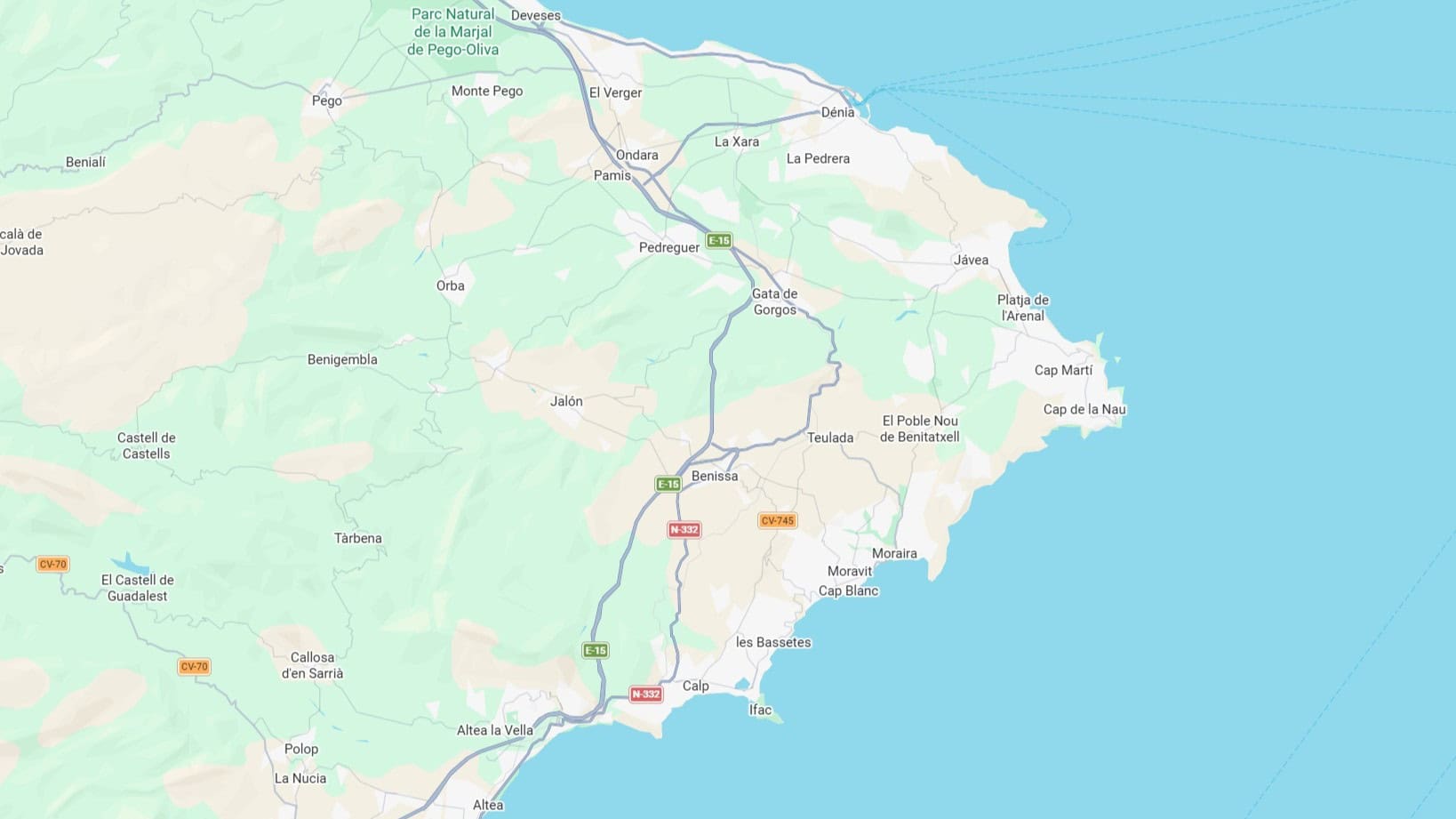
Looking for a home on the Costa Blanca?
Tell us what you are looking for. We are happy to think along with you, from your first question to the key handover.